
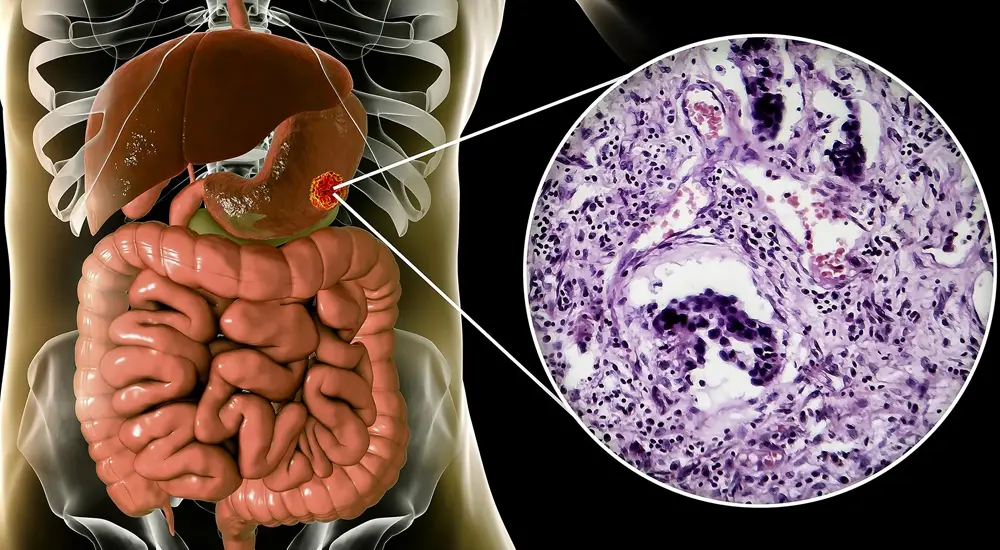
ADENOCARCINOMA – CLASSIFICATION, CAUSE, AND DIET MANAGEMENT
Adinocarcinoma is a type of a cancer made of cells from the glandular mucus producing glands
that lines the organs. ‘Adeno’ means gland and ‘carcinoma’ means cancer that originates from epithelial lining of the cell. Adenocarcinomas are part of a larger grouping of carcinomas which are a malignancy that develops from epithelial cells.
HOW INTERMITTENT FASTING HELPS IN ADENOCARCINOMA?
Intermittent fasting has shown a potential role in supporting cancer treatment including in breast, gastric, pancreatic, lung adenocarcinomas.
It has shown certain benefits like slowing down the growth of cancer cells, enhancing efficiency of treatment and reducing the side effects of chemotherapy.
TYPES OF INTERMITTENT FASTING
Fast for 16 hours and eat during 8 hour window. This method is Good for insulin control
Fasting for 14 hours and eat within 10 hour window, This type is better for patients with low appetite
Fasting for 24- 72 hours in chemotherapy may reduce the side effects related to chemotherapy
FMD is a short term plant based diet which is designed to implement the effects of complete fasting while still consuming small amounts of food and instead of fasting it provides low sugars, moderate fats and very low protein.
When calorie intake specifically protein and carbs are reduced then the body shifts into fasting – like metabolic state ensuring drop of growth hormone pathways and increasing production of ketone bodies which acts as a therapeutic mechanism against adenocarcinoma.
This is followed for 4-5 consecutive days once a month with potential role in reducing inflammation in the body.
BENEFITS OF INTERMITTENT FASTING IN ADENOCARCINOMA
The primary goal is to lower insulin, glucose and IGF-1 (Insulin like growth Factor stimulates growth hormone and promotes cell growth) levels because the cancer cells thrive on glucose and this may help slowing of tumor growth.
Short- term Fasting can reduce the side effects of chemotherapy like fatigue, nausea
Autophagy just means the body’s natural cellular cleaning process or Self – eating mode, so when cells are starving of nutrient in fasting process, the autophagy kicks in and allows cells to break down and recycle damaged parts to improve the cellular repair mechanism and supports healthy cells.
Fasting helps in making cancer cells more vulnerable and increasing the death of cells, and promotes efficiency of the treatment i.e chemotherapy.
cancer cells fails to adapt and become more sensitive and vulnerable to chemotherapy. Reducing the tumor growth and altering microenvironment of tumor to boost the immunity
Reduce weight and visceral fat by reset of metabolic markers
DIET IN ADENOCARCINOMA
It is associated with reducing risk of developing cancer and improve survival rate of cancer survival, as the growth of cancer is influenced by inflammation, insulin signaling and metabolic health which are affected by diet.
Spinach, brocooli, asparagus, cauliflower, bathua etc.
Tomato, carrots,cauliflower, beets, beans, tinda, taurai,karela,zucchini
Jowar, bajra, red rice, oats,quinoa
Masoor dal, chana dal, moong dal, rajmah, black gram,
Berries, guava, pomegranate, kiwi
For example - Black gram dal, green gram dal, red gram, lentil, peas, soybean, Drumstick leaves, agathi leaves, spinach, cauliflower leaves, parsley, curry leaves, mint leaves, tamarind leaves, rajmah, lobia, beans, chickpeas, Brussel sprouts.
- Chicken, eggs and Poultry turkey, goat, sheep beef, red meat
Fish and seafood (Cat fish, rohu, prawns, freshwater eel, pomfret, salmon, sardine, tuna, lobster, oyster, clam, squid)
Benefits of plant based diet
Microgreens are rich in vitamin C,E,K and antioxidants and minerals like magnesium, potassium and zinc. They are grown in soil or similar medium and are harvested witout roots offering a developed taste and low in bacteria.
High doses of Vitamin C IV inhibits the growth of cancer cell lines by ensuring death of cancer cells, also it works as a pro oxidant in cancer cells and improves the survival rate.
Microgreens are small plants, used as garnishes, some examples of microgreens are :
BENEFITS OF MICROGREEN
o Microgreen contain high amounts of phytochemicals than matre plants
o High antioxidant which support DNA protection
o Improve collagen synthesis during chemo recovery
A medicinal fungus found worldwide in Asia, china, Japan and Europe
.
Wood –rotting fungus found on jackfruit trees in India
Cultivated on agricultural waste on cotton waste, rice straw and also found on decaying logs or trees
Pulses and soy products
Black gram dal, green gram dal, red gram, lentil, black gram dal, peas, soybean, Drumstick leaves, agathi leaves, spinach, cauliflower leaves, parsley, curry leaves, mint leaves, tamarind leaves, rajmah, lobia, beans, chickpeas, Brussel sprouts.
Chicken, eggs and Poultry turkey, goat, sheep beef, red meat
Fish and seafood (Cat fish, rohu, prawns, freshwater eel, pomfret, salmon, sardine, tuna, lobster, oyster, clam, squid)
- Citrus fruits (blueberries, lemon, tomato, Amaranth leaves, radish leaves, bittergourd, yellow green capsicum, green mango, blackberry, grapes, guava pink, Strawberry)
- Anti inflammatory fats incude Omega 3 PUFAs EPA and DHA act as anti inflammatory agents from soybean oil, mustard oil and mix them together, chia seeds, flax seesds oil , and fish oil are rich in apa and dha like salmon and indian mackerel, sardine, rohu, and algal oil that are derived from algae.
Boroccoli, cauliflower, cabbage, Brussel sprouts contain sulforaphane which helps repair the cell damage, some spices like turmeric, ginger, act as anti inflammatory properties.
Ragi, jowar, bajra, foxtail millet, atta, oats
Coriander seeds, fenugreek seeds, poppy seeds, black pepper, turmeric powder, ajwain,
Pistachio nuts, sunflower seeds, chia seeds, walnut, gingelly seeds,almond, groundnut
4 liters of water including soups, broths, fresh fruit juice, and in some casesO.R.S.
FOODS TO LIMIT IN ADENOCARCINOMA
KEY NUTRITIONAL GOALS FOR ADENOCARCINOMA