Iron plays an important role in keeping our body energetic and healthy, but getting enough iron is only part of the story. Our body also needs to store iron for future use, and this is where ferritin comes into the picture. Low ferritin means the body's iron reserves may be running low. Fortunately, making a few simple changes to your everyday diet can help support and improve iron stores over time.
Ferritin is a protein that stores iron in the body and releases it when the body needs it. A ferritin blood test is commonly used to get an idea of how much iron is stored in the body. When ferritin levels are low, it can indicate that the body's iron stores are becoming depleted. If the problem continues, it may eventually lead to iron-deficiency anemia. Low ferritin can happen for different reasons, including not getting enough iron from food, poor absorption of iron, increased nutritional requirements, or blood loss.
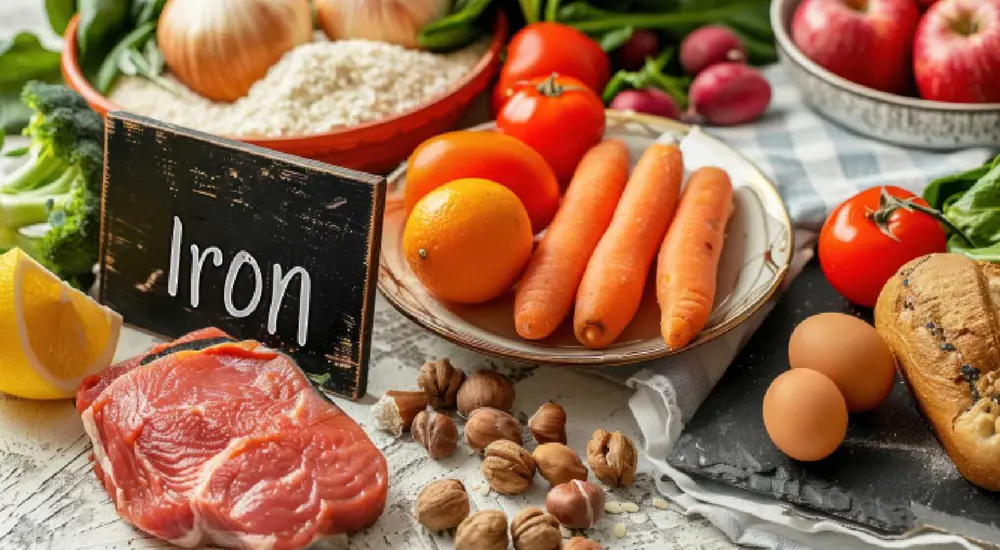
There are two main types of dietary iron: heme iron and non-heme iron. Heme iron is mainly found in animal-based foods and is generally absorbed more efficiently. Some good sources include:
Non-heme iron is mainly found in plant-based foods. Good options include:
Highest sources of iron: Kulekhara, groundnut, muli leaves, kasoda, and cabbage leaves.
Vitamin C helps improve the absorption of non-heme iron from plant foods. For example, you can add lemon juice to dal, have a tomato salad with your meal, or eat guava, orange, or amla as part of your diet. Other good sources of vitamin C include:
For many people, having a cup of tea or coffee after a meal is part of their daily routine. However, if your ferritin is low, the timing of these drinks is worth paying attention to. Tea and coffee contain compounds called polyphenols, which can reduce the absorption of non-heme iron when consumed around meals. You don't necessarily have to stop drinking tea or coffee. Instead, try to avoid having them immediately with your iron-rich meals and leave some time between your meal and your drink.
Iron is important, but it isn't the only nutrient involved in healthy blood formation. Other nutrients such as vitamin B12, folate, vitamin C, vitamin A, and protein also play important roles in maintaining overall nutritional health. This is why a balanced diet is more useful than depending on one particular food. Include a variety of pulses, whole grains, vegetables, fruits, dairy or suitable alternatives, eggs, nuts, seeds, and protein-rich foods in your meals.
Plant foods such as pulses, beans, whole grains, nuts, and seeds are nutritious sources of non-heme iron. However, some of these foods also contain compounds called phytates, which can reduce mineral absorption. This doesn't mean that these foods should be avoided. Simple preparation methods such as soaking, sprouting, fermenting, and cooking can help improve the availability of nutrients. For example, soaking and properly cooking dals and legumes can be a useful part of preparing a balanced meal.
Sometimes, improving the diet may not be enough, especially when ferritin levels are significantly low. In such situations, a doctor or qualified healthcare professional may recommend iron supplements. It is better not to start high-dose iron supplements on your own. Taking unnecessary iron can be harmful and may cause side effects such as constipation, nausea, abdominal discomfort, and dark stools. The type and amount of iron supplementation needed depends on the person's blood results and the reason for the low ferritin level.
Simply increasing your iron intake isn't always enough. It's also important to understand why your ferritin is low. Some possible reasons include:
You don't need expensive ingredients or complicated recipes to support your iron levels. A simple way to plan your meals is: Iron-rich food + Vitamin C-rich food + Protein + Whole grains or vegetables. For example, you could have dal with roti and a tomato-lemon salad. Another option could be a chickpea salad with vegetables and lemon. If you eat animal-based foods, lean meat or fish combined with vegetables can also provide a good source of iron. The goal isn't to make every meal perfect. Small, consistent changes in your everyday diet are much easier to maintain.
Low ferritin does not always cause obvious symptoms in the beginning. However, some people may experience tiredness, weakness, dizziness, headaches, hair fall, pale skin, or reduced ability to exercise.