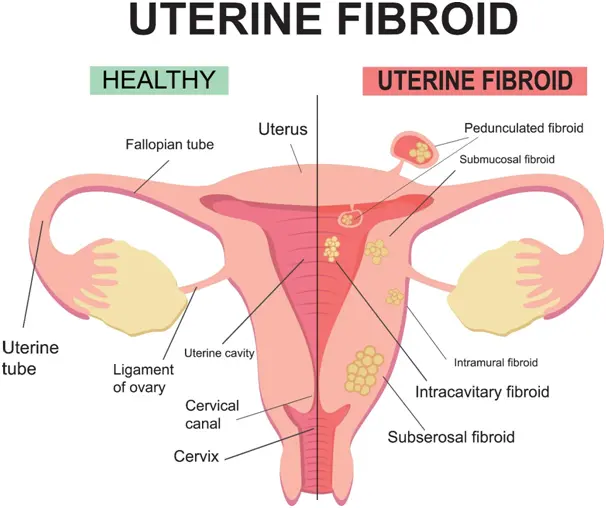
Fibroids are benign (non-cancerous) growths made of smooth muscle and fibrous connective tissue that develop in the uterus. It is influenced by estrogen dominance and inflammation.
Dietary changes can help regulate hormone levels reduces inflammation and helps In liver detoxificationand naturally reduces uterine fibroids , its size may vary from small to large size.
• Up to 70–80% of women may develop fibroids by the age of 50
• Fibroids are mostly diagnosed between 30 and 50 years of age
• Many women may have fibroids without noticeable symptoms
Although fibroids are not cancerous, they can sometimes cause significant symptoms that affect daily life and reproductive health.
Research suggests that fibroid development is influenced by several biological factors, including:
Research of organisation that uterine fibroid affectsreproductive issues and infertility.Hysterectomy may be required in some cases, scientific evidence increasingly shows that nutrition and lifestyle habits can influence hormonal balance and inflammation, which may affect fibroid growth.
Signs and Symptoms of Fibroids
Many women with fibroids may not experience noticeable symptoms, especially when the fibroids are small. However, larger fibroids or those located in certain areas may cause discomfort.
Common symptoms include:
Heavy or prolonged menstrual bleeding
Pelvic pain or pressure
Abdominal bloating or enlargement
Frequent urination due to pressure on the bladder
Constipation
Lower back or leg pain
Pain during intercourse
Fatigue caused by iron-deficiency
Difficulty conceiving in some cases
The severity of symptoms usually depends on the size, number, and location of the fibroids.
Why Diet Plays an Important Role in Fibroid Management
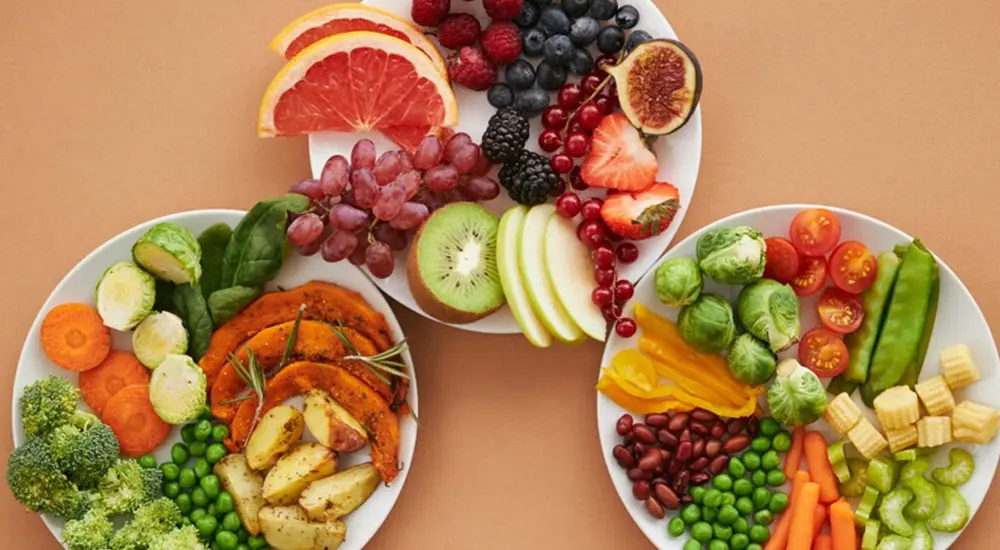
A balanced diet rich in anti-inflammatory foods, fiber, antioxidants, and essential nutrients may help support hormone metabolism, improve metabolic health, and create an internal environment that is less favourable for fibroid growth.Certain foods support the body’s ability to regulate hormones, reduce inflammation, and eliminate excess estrogen, while others may worsen these conditions.
Best food to shrink Fibroid Reduction
While no single food can eliminate fibroids, certain foods may help support hormone balance and reduce inflammation.
Foods to Avoid with Fibroids
Certain foods may worsen inflammation or contribute to hormonal imbalance. Limiting these foods may help manage fibroid symptoms.
Food Category |
Examples |
Why It May Affect Fibroids |
Soy Products |
Tofu,Soymilk,Tempeh |
Excessive consumption might contribute to hormonal dominance in others. |
Processed Foods |
Packaged snacks, fast food |
Promote inflammation and poor metabolic health |
Refined Sugar |
Sweets, desserts, sugary drinks |
Can increase insulin and hormonal imbalance |
Red and Processed Meat |
Beef, bacon, sausage |
Associated with higher inflammation levels |
High-Fat Dairy |
Butter, cream, full-fat cheese |
May contain hormones influencing estrogen levels |
Fried Foods |
Deep-fried snacks, fast foods |
High in unhealthy fats and inflammatory compounds |
Excess Alcohol |
Beer, wine, spirits |
May impair liver function and hormone metabolism |
Excess Caffeine |
Coffee, energy drinks |
May influence hormone levels in some individuals |
Refined Carbohydrates |
White bread, pastries |
Rapidly raise blood sugar and insulin levels |
Lifestyle Strategies That Support Fibroid Management
Diet alone is not the only factor influencing fibroid growth. Lifestyle habits also play an important role.A healthy gut microbiome supports digestion, nutrient absorption, and hormonal balance.
How Intermittent Fasting helps in Uterine Fibroid Growth:it helps in reducing high estrogen levels and lower insulin , by reducing inflammation and insulin resistence, this dietary approach helps in fat and weight loss , restricts the food necessary for fibroid proliferation and stopping their growth or shrink them.
Other Approaches :
When Medical Evaluation Is Necessary
Although many fibroids remain stable, medical evaluation is important if symptoms become severe.
Consult a healthcare professional if you experience:
Very heavy menstrual bleeding
Severe pelvic pain
Rapid abdominal enlargement
Persistent fatigue due to anemia
Difficulty conceiving
A healthcare provider may recommend imaging tests or treatment options depending on the severity of symptoms.
Long-Term Perspective
Many women successfully manage fibroids through a combination of medical care, balanced nutrition, and healthy lifestyle habits. Focusing on anti-inflammatory foods, supporting hormone balance, and maintaining metabolic health can help create an internal environment where fibroid growth is less likely to thrive. Although diet alone may not eliminate fibroids, consistent healthy habits can significantly improve symptoms and support long-term reproductive health and overall well-being :