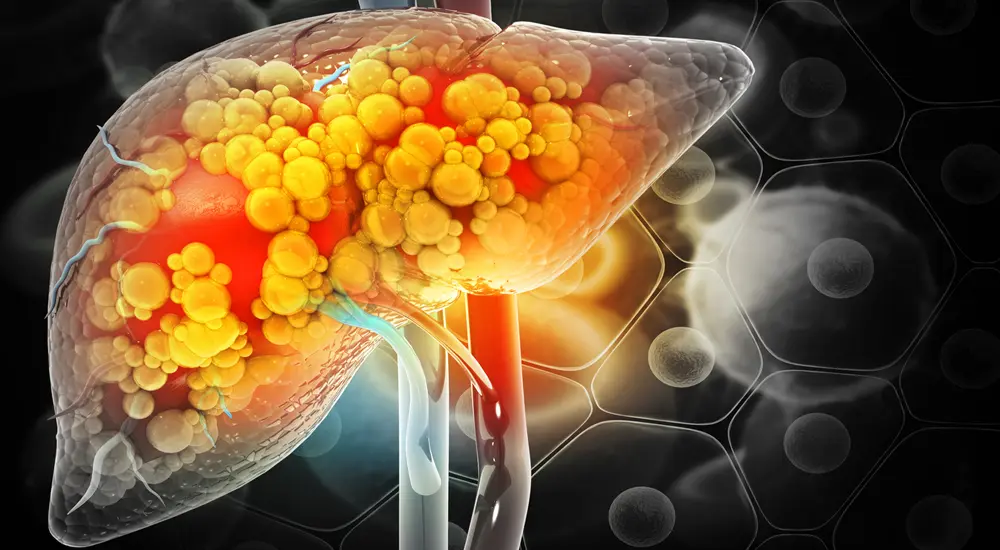
Role of liver: The liver performs many important jobs: it helps process nutrients, makes proteins, supports digestion, stores energy and helps remove harmful substances from the blood.
Liver cirrhosis is a condition in which healthy liver tissue is gradually replaced by scar tissue. As scarring increases, the liver may not work normally. Early cirrhosis may cause few or no symptoms, so regular medical follow-up is important, long-term damage causes long-term, permanent scarring (fibrosis).Common causes include long-term hepatitis B or C infection, alcohol-related liver disease, and fatty liver disease linked with many other metabolic problems.
Possible signs of cirrhosis include:
Can it be cured?
Yes,The right treatment, food choices and lifestyle habits can help protect the liver and reduce the risk of further damage.
Cirrhosis can increase the risk of poor nutrition and muscle loss. Eating too little or going for long periods without food can make this worse. Most people benefit from regular meals, enough calories and adequate protein, with the exact plan adjusted to their condition. If there is abdominal or leg swelling, the doctor may recommend a lower-sodium diet.
|
Eat More Of |
Why It Helps |
Limit / Avoid |
Why It Can Harm |
|
Vegetables & fruits |
Provide vitamins, minerals and fiber |
Very salty foods |
Extra sodium can worsen fluid retention |
|
Whole grains |
Provide energy and fiber |
Alcohol |
Can cause further liver damage |
|
Protein foods |
Helps maintain muscle and strength |
Raw/undercooked meat, fish, shellfish & unpasteurized dairy |
Higher risk of serious infections |
|
Healthy fats |
Provide energy and healthy fats |
Highly processed and fried foods |
Often high in salt, unhealthy fats and calories |
Vomiting blood, black or bloody stools, severe confusion, sudden worsening swelling, fever with abdominal swelling, or severe weakness needs prompt medical attention.
Cirrhosis needs medical care, but everyday habits still matter. A balanced diet, regular meals, enough protein, less salt when advised, no alcohol, safe food choices and the correct medicines can help protect the liver. Your nutrition needs may change with the stage and complications of cirrhosis, so a doctor or registered dietitian should personalize the plan. Start with one small, consistent change today.
Medical basis: National Institute of Diabetes and Digestive and Kidney Diseases (NIDDK), Cirrhosis guidance.