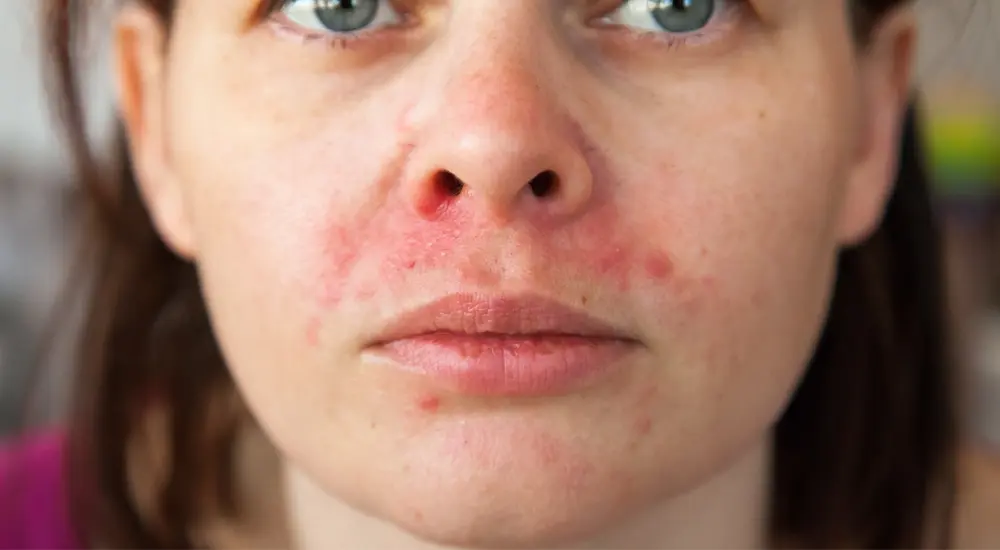
Perioral dermatitis (POD) is a common inflammatory skin condition that presents with redness, papules, pustules, and fine scaling around the mouth. One of its most characteristic features is the sparing of the skin immediately bordering the lips, which remains unaffected despite inflammation in the surrounding area. It has been see that it is frequently triggered by the use of topical steroid, heavy skincare products or fluorinated toothpaste.
How Inflammation Affects the Skin
When the balance of microorganisms in the gut is disrupted, a condition known as intestinal dysbiosis can occur. This imbalance may compromise the intestinal barrier, allowing pathogenic microorganisms and metabolites such as phenols to enter the circulation and potentially alter the skin microbiome.
Understanding Perioral Dermatitis and Its Triggers
Perioral dermatitis is frequently associated with excessive skin care practices. Over-cleansing, intensive skin care routines, and the extensive use of cosmetic products can disrupt the skin barrier and contribute to irritation.
In addition to cosmetic factors, certain food additives, herbs, and nutritional deficiencies may influence the condition.
Potential Trigger |
Relevance to POD |
Propyl gallate (E310) |
Present in chewing gums, potato chips etc can trigger POP |
Oregano |
Contains carvacrol, which may have allergenic potential |
Thyme |
Contains thymol, which may have allergenic potential |
Zinc deficiency |
May be associated with chronic or recurrent POD |
Treatment Approach
The management of perioral dermatitis should focus on addressing the gut–skin axis and reducing underlying inflammation. Dietary modifications, particularly a low-carbohydrate and anti-inflammatory eating pattern, may help reduce inflammatory responses and support skin healing. Identifying potential food sensitivities or allergies and avoiding known dietary triggers can further contribute to symptom improvement. Equally important is the elimination of external factors that may aggravate the condition. Patients are often advised to discontinue unnecessary facial skincare and cosmetic products, as these can act as sources of ongoing irritation and impair skin barrier function. Allowing the skin barrier to recover while minimizing exposure to triggers can play a crucial role in the successful management and long-term control of perioral dermatitis.
Dietary Recommendations for Supporting Skin Health
Dietary recommendations generally focus on fresh, seasonal, and minimally processed foods while supporting a diverse gut and skin microbiome.
Foods That May Trigger or Worsen Symptoms
Some people find improvement by temporarily reducing-
Category |
Foods of Concern |
High-Histamine Foods (May be) |
Fermented vegetables, spinach, tomatoes, avocado, eggplant, aged cheeses, fermented meats, cured meats, alcohol, processed meat |
Nickel-Rich Foods |
Chocolate, nuts, canned foods |
Dairy |
Milk and Milk products if problematic |
Balsam of Peru-Related Foods |
Citrus fruits, tomatoes, cinnamon, cloves |
Propyl Gallate (E310) Sources |
Processed oils, potato chips, commercial spice blends, chewing gum |
Western Diet Foods |
Highly processed flour products, sugary foods, sugary beverages, dairy products, skim milk, whey protein |
REFERENCES: