Welcome to Dietofy "Adding Richness to your Life"

  • +91-8745873114, +91-9910003531
  • care@dietofy.com

Rosacea and Diet: Foods to Eat, Foods to Avoid, and What the Research Says


Rosacea and Diet: Foods to Eat, Foods to Avoid, and What the Research Says

Can Changing Your Diet Help Rosacea? Here's What You Should Know

Rosacea = "Red, Reactive, Sensitive Skin." It is a long-term inflammatory skin condition that flares with triggers but can usually be managed well with the right treatment and skincare.Rosacea is a chronic inflammatory skin condition that primarily affects the face. It’s just not sensitive skin or adult acne. It's a complex disease involving your immune system , your nerves and your blood vessels.It is not contagious and is not caused by poor hygiene.

SIGN’S THAT REDNESS ON YOUR FACE IS ROSACEA :

  • Persistent redness and flushing
  • pimples and pustules
  • thickened, bumpy skin specially on nose
  • eye irritation and dryness
  • spider veins (the small blood vessels break from cheeks and face and become large)

The frustrating part is that there is no cure to it and its chronic
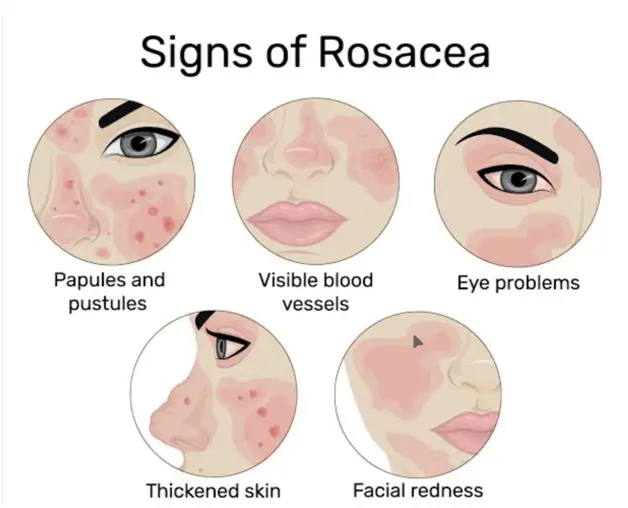
rosacea-signs


Is Rosacea an Autoimmune Disease?
No. Rosacea is not classified as an autoimmune disease. It is considered a chronic inflammatory disorder involving abnormal immune responses, blood vessel dysfunction, and skin barrier impairment. But the problem is in rosacea are quiet sensitive and even smallest triggers can lead to louder reaction and its not easy to calm it down

Common Rosacea Triggers
Stress often acts together with other triggers, such as:

  • ☀️ Sun exposure
  • 🌶️ Spicy foods
  • 🍷 Alcohol
  • ☕ Hot beverages
  • 🥵 Hot weather
  • 🏃 Intense exercise
  • 🧴 Harsh skincare products
  • Stress is one of the most common triggers of rosacea flares, although it does not directly cause rosacea. In people who already have rosacea, emotional stress can make symptoms worse.

The Gut Connection
Studies show that people with rosacea often have gut issues — small intestinal bacterial overgrowth (SIBO), dysbiosis (imbalanced gut bacteria), or H. pylori infection. An unhealthy gut keeps sending inflammatory signals that worsen skin inflammation. This is called the gut-skin axis and it means what you eat matters enormously.

Managing Stress to Reduce Rosacea Flares
While stress reduction won't cure rosacea, it may help reduce the frequency or severity of flares.
Helpful approaches include:

  • Regular exercise (avoiding overheating if it's a trigger)
  • Good sleep hygiene
  • Meditation or mindfulness
  • Yoga and breathing exercises
  • Identifying and managing personal stressors

Foods That Calm Rosacea can be better:

  • Omega-3 rich foods -fatty fish, flaxseeds, walnuts, chia seeds (directly reduce inflammatory chemicals)
  • Antioxidant-rich foods — berries, leafy greens, green tea, turmeric (neutralize the reactive oxygen species that damage skin)
  • Probiotic foods — yogurt, curd, buttermilk, fermented foods like idli/dosa (repair the gut-skin axis)
  • Prebiotic foods — oats, dal, vegetables, whole grains (feed good gut bacteria)
  • Low glycemic foods — whole grains, millets, legumes (prevent insulin spikes that amplify inflammation)

Foods That Worsen Rosacea

  • Spicy food and chilliesAlcohol, especially red wine
  • Hot beverages
  • Refined carbs, maida, sugar
  • Processed and fried snacks
  • Tomatoes, citrus, chocolate (in sensitive individual

Treatment
Rosacea cannot be cured, but it can be effectively controlled with:
  • Gentle skincare and daily sunscreen (SPF 30 or higher)
  • Avoiding personal triggers
  • Prescription topical medications (e.g., Metronidazole, Azelaic acid, Ivermectin)
  • Oral antibiotics such as Doxycycline for inflammatory flares
  • Laser or light therapy for persistent redness and visible blood vessels
Our Corporate Event Clients
standard-chartered-bank CITI-Bank HeroFin Zee-Studio PWC PropTiger india-today-news aaj-tak
Doctors Care