Hormonal imbalances have become increasingly common among women today. Issues such as PCOS, irregular periods, PMS, mood swings, acne, and weight gain can often be linked to fluctuations in hormone levels. While there is no magic solution, simple dietary changes can go a long way in supporting hormonal health. One such practice that has gained popularity in recent years is seed cycling.
Seed cycling is a nutritional practice that involves consuming specific seeds during different phases of the menstrual cycle. The idea is that the nutrients naturally present in these seeds may help support the body's hormone production and metabolism.
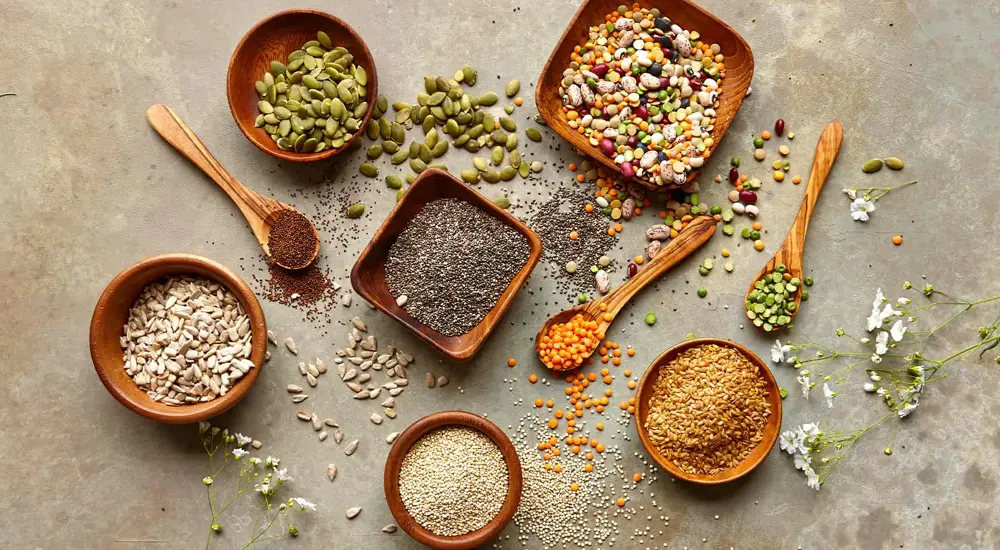
The four seeds used in seed cycling are:
These seeds are rich in healthy fats, fibre, vitamins, minerals, and plant compounds that play important roles in overall reproductive and hormonal health.
Understanding the Two Phases of Seed Cycling
A typical menstrual cycle lasts about 28 days and is divided into two main phases.
This phase begins on the first day of your period and continues until ovulation. During this time, estrogen levels naturally rise to prepare the body for ovulation.
Seeds to Include
Flax seeds are rich in lignans and omega-3 fatty acids. They help support healthy estrogen metabolism and provide anti-inflammatory benefits.
Pumpkin seeds are an excellent source of zinc, a mineral that supports follicle development and reproductive health.
How Much to Take?
Consume:
1 table spoon freshly ground flax seeds
1 table spoon pumpkin seeds
Daily from Day 1 to Day 14.
The luteal phase begins after ovulation and lasts until the start of the next menstrual cycle. During this phase, progesterone becomes the dominant hormone.
Seeds to Include
3.Sesame Seeds
Sesame seeds contain lignans, calcium, and healthy fats that support hormonal balance.
4.Sunflower Seeds
Sunflower seeds are rich in vitamin E and selenium, nutrients that support overall reproductive health and antioxidant protection.
How Much to Take?
Consume:
1 table spoon sesame seeds
1 table spoon sunflower seeds
Daily from Day 15 to Day 28.
While seed cycling is not a medical treatment, it may be a useful nutritional strategy for women experiencing:
PCOS
The nutrients found in seeds, particularly zinc, magnesium, fiber, and healthy fats, may help support metabolic and hormonal health.
PMS and Menstrual Cramps
Many women use seed cycling to help manage symptoms such as bloating, mood changes, cravings, and mild cramps.
Irregular Periods
Women with long or inconsistent cycles may include seed cycling as part of a comprehensive nutrition plan.
Amenorrhea
In cases where periods are absent, improving overall nutrition and nutrient intake may help support menstrual health under professional guidance.
Perimenopause and Menopause
The healthy fats and plant compounds present in seeds may help support women during hormonal transitions.
A Few Important Things to Remember
Seed cycling is not a replacement for medical treatment. Think of it as a supportive dietary practice that works best alongside:
A balanced diet
Regular physical activity
Good sleep habits
Stress management
Also, consistency is key. Benefits, if any, are usually seen over several menstrual cycles rather than overnight.
A Simple PCOS-Friendly Meal Plan with Seed Cycling
Fenugreek seed water (soaked overnight)
Vegetable oats upma
2 ragi and oats rotis
1 bowl dal
Mixed vegetable sabzi
Cucumber raita
Green tea
Roasted makhana
Seed cycling portion according to your menstrual phase
Jowar and whole wheat wrap with paneer or grilled chicken
Salad on the side
The Bottom Line
Seed cycling is a simple, affordable, and nutrient-rich practice that encourages women to include a variety of seeds in their diet. Although scientific evidence is still limited, these seeds provide valuable nutrients that support overall health and may complement a hormone-friendly lifestyle.
If you're dealing with PCOS, PMS, irregular periods, or simply looking to nourish your body naturally, seed cycling can be a healthy habit worth trying as part of a well-balanced diet.