
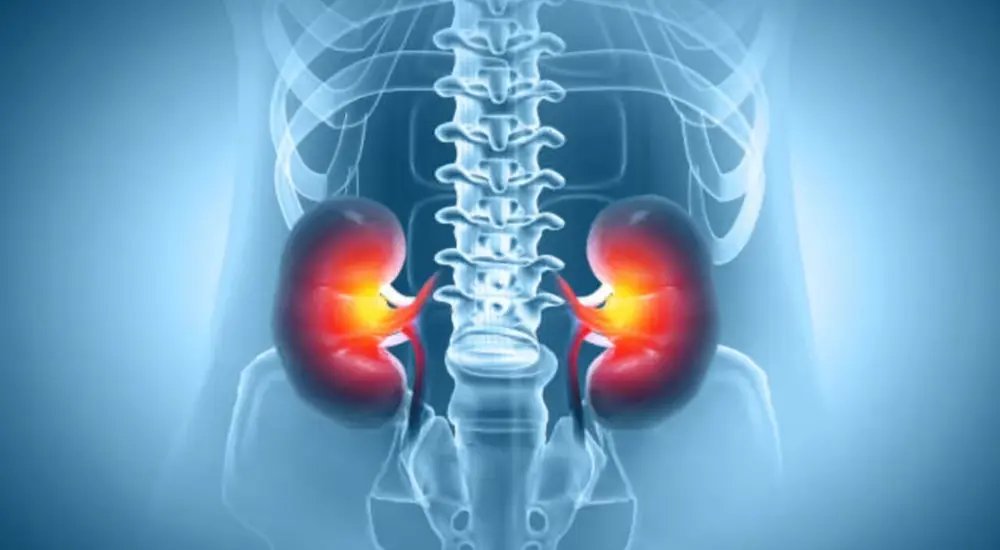
Chronic Kidney Disease (CKD) is a long-term condition in which the kidneys gradually lose their ability to filter waste and excess fluid from the blood. Healthy kidneys also help regulate blood pressure, maintain electrolyte balance, produce red blood cells, and support bone health. As kidney function declines, waste products accumulate in the body, affecting overall health. CKD often develops silently, with few or no symptoms in the early stages, making early diagnosis essential.
The leading causes of CKD are diabetes and high blood pressure. Other causes include kidney infections, kidney stones, autoimmune diseases, inherited kidney disorders, obesity, heart disease, smoking, and prolonged use of certain painkillers. Older adults, overweight individuals, and those with a family history of kidney disease are at higher risk.
Early CKD may not cause symptoms. As the disease progresses, patients may experience fatigue, swelling of the feet or ankles, nausea, loss of appetite, muscle cramps, itchy skin, changes in urination, shortness of breath, and difficulty sleeping.
CKD is diagnosed using blood tests (serum creatinine and eGFR), urine tests for albumin, blood pressure and blood sugar measurements, and kidney ultrasound when required. These tests help detect kidney damage early and assess disease severity.
Although CKD cannot usually be cured, need to focus on reducing stress on kidneys while maintaining adequate nutrition. Its progression can be slowed by controlling blood pressure and blood sugar, taking prescribed medications, following a healthy lifestyle, avoiding smoking and unnecessary painkillers, and attending regular medical follow-ups.However CKD diets
Adequate calorie intake is essential in CKD to prevent muscle wasting and protein-energy malnutrition.
Food examples: low gi rice, Chapati (made from khapli ata and jowar flour), red rice Poha,Millets Suji (semolina), Healthy oils (mustard, olive, rice bran).
Limit: Fried foods, Bakery products, Sugary beverageS
Protein restriction helps reduce nitrogenous waste and slows CKD progression in non-dialysis patients. Dialysis patients require higher protein due to losses during treatment.Take good quality of proteins.
High Biological Value (HBV) proteins: Egg white, Fish, Chicken, Milk (within potassium and phosphorus allowance), Paneer (controlled), Curd (controlled)
Plant proteins: Dal (limited quantity), Soy products, Pulses (portion controlled)
Emphasize unsaturated fats to reduce cardiovascular risk, which is common in CKD. Prefer: Mustard oil, Groundnut oil, Rice bran oil, Olive oil, Sunflower oil (rotation of oils) Healthy fats reduce cardiovascular risk, which is the leading cause of death in CKD patients.
Excess sodium causes hypertension, edema, and fluid retention. Recommendation: Less than 2 g sodium/day &5 g table salt/day)
Foods to Avoid: Pickles, Papad, Chips, Instant noodles, Namkeen, Salted biscuits, Processed meats, Ready-to-eat foods
Potassium restriction is required only if blood potassium is elevated (hyperkalemia). Patients with normal potassium levels may not need strict restriction.
High-potassium foods (Limit if advised): Banana, Orange, Mango, Coconut water, Potato, Sweet potato, Tomato, Spinach, Beetroot, Dry fruits, Avocado,soups,juices
Lower-potassium choices: Apple, Pear, Pineapple, Papaya, Grapes, Guava (moderate portions), Cabbage, Cauliflower, Bottle gourd (Lauki), Ridge gourd (Turai), Pumpkin,Cucumber
Leaching reduces potassium content in vegetables.
Method
1. Wash vegetables thoroughly.
2. Peel the skin.
3. Cut into thin, small slices.
4. Soak in warm water for at least 2 hours (or overnight), using a large amount of water.
5. Discard the soaking water.
6. Boil vegetables in fresh water.
7. Drain and discard the boiling water.
8. Cook with fresh water and minimal salt.
This process can significantly reduce potassium, though the exact amount varies by vegetable and cooking method.
Fluid allowance depends on urine output, edema, blood pressure, and dialysis status.Foods contributing to fluid intake: Soup, Tea, Coffee, Milk, Curd, Ice cream, Gelatin, Coconut water, Watery fruits (e.g., watermelon)
Untreated CKD can lead to anemia, high blood pressure, weak bones, electrolyte imbalance, heart disease, fluid overload, nerve damage, and kidney failure, which may require dialysis or kidney transplantation.