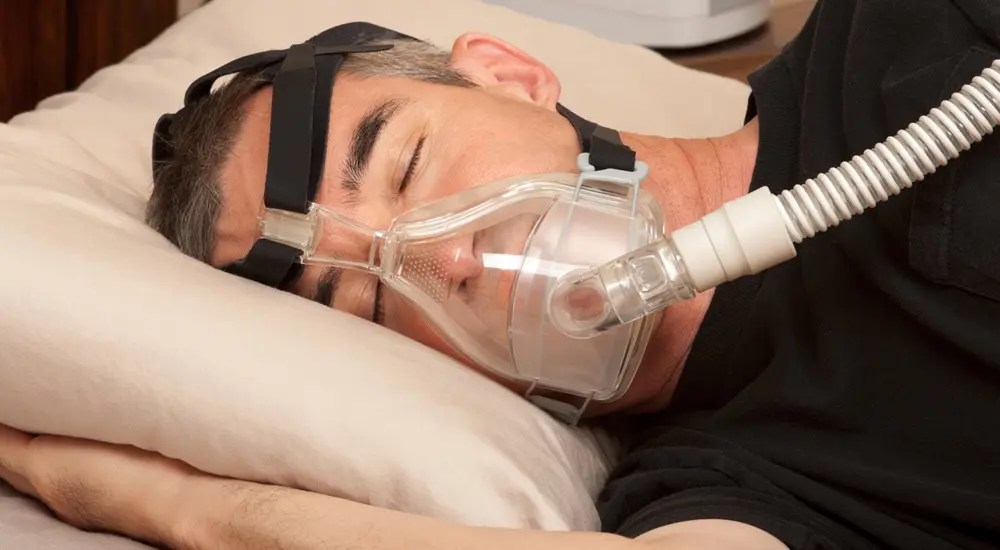
Understanding Sleep Apnea: Unraveling the Dangers of Interrupted Sleep
What is Sleep Apnea?
Sleep Apnea is a sleep disorder in which you stop breathing due to an obstruction in the air passages to the lungs during sleep. This blockage prevents you from breathing for at least 10 seconds at a time, reducing the amount of oxygen you get and causing you to briefly wake up throughout the night without realizing it.
The three main types are:
Obstructive Sleep Apnea (OSA): This is the most common type of OSA, and involves the physical obstruction of the airway due to relaxation of the muscles found in the throat.
Central Sleep Apnea (CSA): This occurs when the brain is temporarily unable to trigger the proper signals to the breathing muscles.
Mixed Sleep Apnea: Both physical airway blockages and brain signal problems.
Who is at Risk?
Overweight or Obese: Being overweight is the major risk factor for the condition.
Neck Size: Having a neck thicker than 17 inches (for men) or 15 inches (for women) makes it harder to breathe at night.
Stress: High anxiety and chronic stress increase muscle tension and disrupt the natural sleep cycle, making breathing problems and apnea events much more frequent.
Symptoms:
Being extremely tired during the day.
Loud snoring that comes and goes.
Waking up suddenly while gasping or choking for air.
Prevention & Management
CPAP Machine: This is the best treatment for moderate to severe sleep apnea. It simply blows air into a mask to maintain the airway during sleep.
Weight Management: The fewer pounds gained, the fewer times you will stop breathing during the night.
Changing Sleep Positions: Sleeping on your side instead of your back can keep your airway from collapsing.
Alcohol Consumption:Avoid alcohol close to bedtime.
Regular Exercise
Hot Water Therapy
Stress Reduction: Practices like mindfulness, meditation, and cognitive behavioural therapy (CBT) or even simple breathing exercises before bed can quiet your nervous system and significantly improve overall sleep quality.
Nutritional Management:
Nutrients may support better sleep quality and reduce inflammation:
MAGNESIUM:Helps relax muscles and may improve sleep quality.
Source:Pumpkin seeds, Almonds, Spinach, and Legumes.
VITAMIN D:Low levels are commonly associated with sleep disorders.