
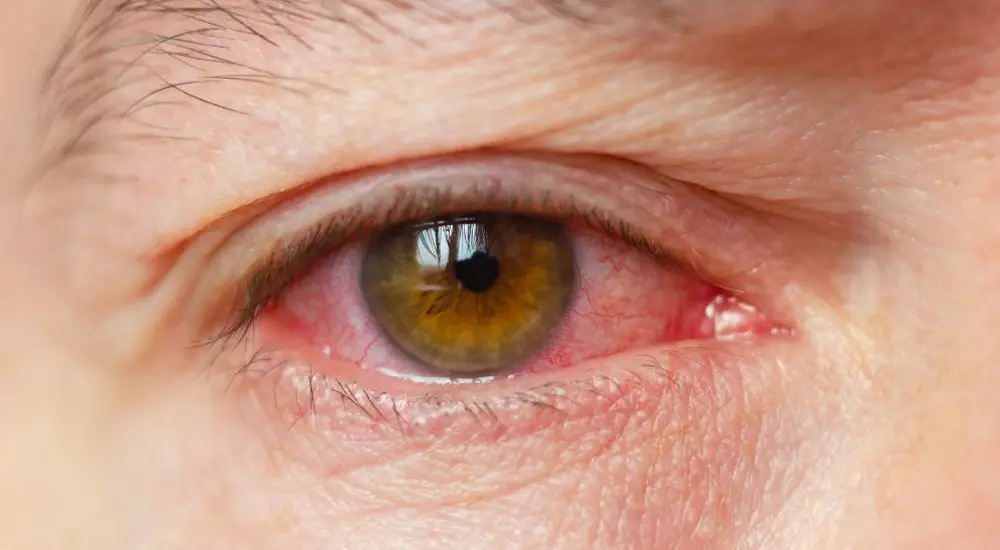
Many people dismiss eye redness as tiredness, lack of sleep or too much screen time. But sometimes, it may be a sign of a serious eye condition known as Uveitis. If untreated, uveitis can impact vision permanently and may even lead to blindness. The good news is that a timely diagnosis and appropriate treatment can help preserve your eyesight.
What is Uveitis?
Inflammation of the uvea, the middle layer of the eye, is known as uveitis. The middle layer is called the uvea. The middle layer of tissue in an eye's wall is called the uvea.It consists of the choroid, ciliary body and the iris. When you look in the mirror you see the iris (coloured part of the eye) and the sclera (white part of the eye).
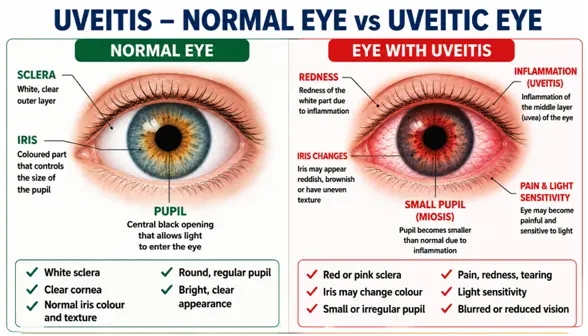
Uveitis Eyes
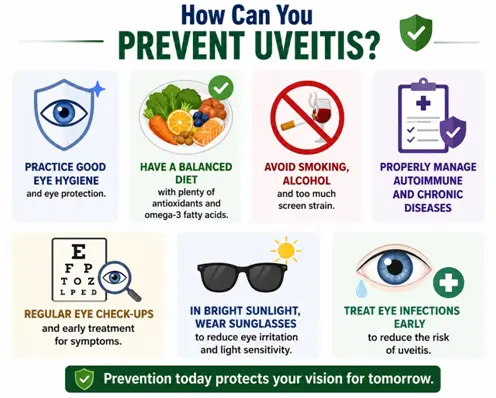
How can you Prevent Uveitis?
Why is Nutrition Important in Uveitis?
Nutrition plays a key role in uveitis. It helps reduce inflammation and supports overall eye health. A diet high in antioxidants, vitamins, and omega-3 fatty acids can protect eye tissues from damage and aid in recovery. Good nutrition also boosts immunity and lowers the risk of complications.
Nutritional Requirements in Uveitis
Proper nutrition is key in managing uveitis. It helps reduce inflammation and supports eye health. A diet high in antioxidants, omega-3 fatty acids, vitamins A, C, and E, zinc, and anti-inflammatory foods may protect eye tissues, aid recovery, and boost immunity.
|
Foods |
Uses / Advantages |
|
Colourful Fruits and Vegetables( carrot, beetroot, berries, papaya, orange) |
Packed with antioxidants that prevent damage to ocular tissues |
|
Green Leafy Vegetables (spinach, kale, methi, broccoli) |
Give lutein, zeaxanthin, and vitamins that promote eye health and vision. |
|
Fatty Fish & Healthy Fats (salmon, tuna, olive oil, avocado) |
Provide omega-3 fatty acids to help lower inflammation. |
|
Nuts & Seeds (almonds, walnuts, flaxseeds, chia seeds, pumpkin seeds) |
contain zinc, vitamin E, and good fats that help protect the eyes. |
|
Probiotic Foods (curd, yogurt, kefir, fermented foods) |
Boost immunity and intestinal health to potentially reduce inflammation |
|
Anti-inflammatory Foods & Spices (turmeric, ginger, garlic, tulsi) |
aid in the reduction of inflammatory stress and promote healing |
|
Whole Grains & Fiber-rich Foods (oats, brown rice, millets) |
Boost immunological and metabolic health |
|
Hydrating Foods & Fluids (cucumber, coconut water, lemon water) |
assist in preserving general hydration and ocular moisture |
Anti-Inflammatory Foods
These are specific whole foods and spices that contain powerful bioactive compounds that have been proven to block inflammation at the cellular level. They directly reduce the immune triggers that cause uveitis flare-ups, and help the body to have a calmer inflammatory response over time. Turmeric is one of the most researched natural remedies for eye inflammation and its active compound is curcumin.
• Turmeric
• Ginger
• Garlic
• Green tea
• Dark chocolate (70% and above)
Leafy Vegetables ( Green Leaf Vegetables)
Incorporation of leafy green vegetables are an important part of the dietary management of uveitis. They contains various useful pigments like lutein, zeaxanthin, Vitamin K and folate – nutrients that directly reduce inflammation in the eye, filter out harmful light and maintain the structural integrity of eye tissues.
Examples: Kale, Spinach, Fenugreek leaves (methi)
Colourful Vegetables
Vegetables that are brightly coloured by nature are full of beta-carotene, anthocyanins and flavonoids. These plant pigments are potent anti-inflammatories that fight cellular damage and help promote a balanced immune response; both are critical to uveitis control.
Citrus Fruits
Citrus Fruits are among the richest sources of vitamin C (Natural). Vitamin C is a strong antioxidant that reduce free radicals that may damage delicate eye tissues. Regular intake helps to rebuild collagen in the uvea and strengthens the eye’s natural defence system.
Examples:
Oranges
Lemon Juice
Amla ( Indian Gooseberry)
Fatty Fruits
Fatty fruits are high in healthy monounsaturated fats and fat-soluble vitamins that reduce systemic inflammation and increase the body’s absorption of important eye nutrients like vitamins A, D and E.
• Avocado
• Olives
• Coconut
Nuts and Seeds
Nuts and seeds are an excellent source of Omega-3 fatty acids, Vitamin E, and selenium. Together, these nutrients block the inflammatory pathways that cause uveitis flare-ups, and they protect the cell membranes in the eye from oxidative damage.
• Walnuts
• Flaxseeds
• Chia seeds
• Pumpkin seeds
• Almonds
Probiotic Foods
Probiotic foods are full of good live bacteria that help restore and maintain a healthy microbiome in the gut. Because the gut and immune system are so closely linked, a balanced gut environment helps regulate the autoimmune responses that often drive inflammation in uveitis.
What are the Symptoms of Uveitis?
The following are some indications that you might have uveitis:
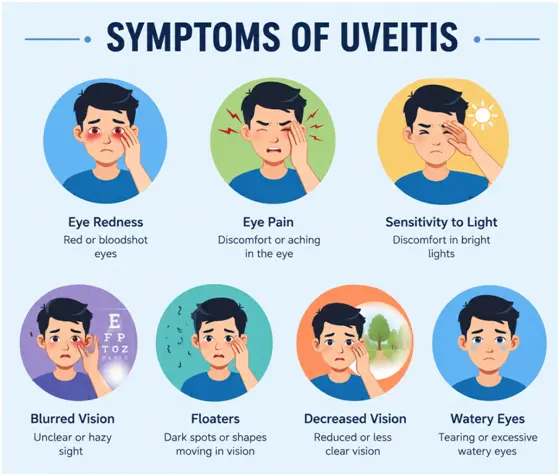
Symptoms of Uveitis
What Causes Uveitis?
Although the exact etiology of uveitis is frequently unknown, it may be associated with:
Foods to avoid vs Foods to Include:
|
Eat More Of |
Why It Helps |
Avoid / Limit |
Why It Harms |
|
Green leafy vegetables (spinach, kale, methi) |
Antioxidants reduce oxidative stress and eye inflammation |
Fried foods (fries, chips, pakoras) |
Trans fats increase inflammatory response |
|
Carrots, sweet potatoes |
Vitamin A supports retinal and visual function |
Sugary foods & drinks (soft drinks, candies, pastries) |
Excess sugar increases oxidative stress |
|
Fatty fish (salmon, tuna, sardines) |
Omega-3 fatty acids protect eye tissues |
Ultra-processed foods (instant noodles, packaged snacks) |
Preservatives and sodium promote inflammation |
|
Citrus fruits (orange, amla, lemon) |
Vitamin C supports immune and tissue repair function |
Alcohol (beer, wine, whisky) |
Impairs immune response and hydration |
|
Nuts & seeds (almonds, walnuts, flaxseeds) |
Vitamin E protects cells from damage |
Smoking & tobacco (cigarettes, gutka) |
Free radicals damage ocular tissues |
|
Whole grains (oats, brown rice, millets) |
Fiber supports metabolic and immune health |
Excess caffeine (energy drinks, strong coffee) |
May increase dehydration and eye discomfort |
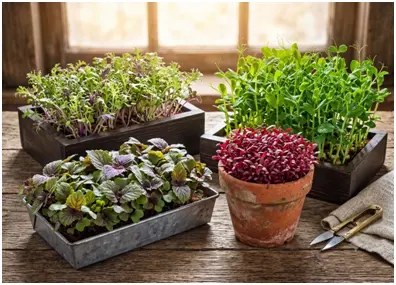
Superfoods for Uveitis
|
Type |
Example |
Explanation |
|
Sulforaphane-rich microgreens |
Broccoli microgreens |
It contains a lot of sulforaphane, which may lessen inflammation and oxidative stress. |
|
Kale microgreens |
It contains glucosinolates that promote ocular and cellular defense. |
|
|
Anthocyanin-rich microgreens |
Red cabbage microgreens |
Its abundance of anthocyanins helps shield ocular tissues from harm caused by free radicals. |
|
Purple amaranth microgreens |
It contains polyphenols that aid in antioxidant protection. |
|
|
Lutein-rich microgreens |
Spinach microgreens |
Eye and Vision Health Is Promoted by Lutein and Zeaxanthin Content |
|
Pea shoot microgreens |
may include carotenoids, which aid in lowering oxidative stress. |
|
|
Chlorophyll-rich microgreens |
Wheatgrass |
Rich in chlorophyll for antioxidant effects and detoxification |
|
Coriander microgreens |
Rich in chlorophyll and vitamin K for recovery and immunity |
|
|
Moringa microgreens |
It is loaded with iron and antioxidants that may help to reduce inflammatory stress. |
|
|
Iron-rich microgreens |
Amaranth microgreens |
It gives iron and folate support balance and recovery |
|
Beetroot microgreens |
With antioxidants from betalains |
|
|
Omega-3 supportive microgreens |
Chia microgreens |
Contains omega-3 fatty acids which may help reduce inflammation |
|
Flax microgreens |
Abundant in alpha-linolenic acid (ALA) that supports retinal health |
|
|
Vitamin C-rich microgreens |
Radish microgreens |
Loaded with vitamin C That support tissue repair and immunity boost |
|
Mustard microgreens |
It Contain glucosinolates that helps to combat oxidative stress |
|
|
Antioxidant-rich microgreens |
Sunflower microgreens |
High contain of vitamin E and selenium that helps to protect ocular tissues |
|
Basil microgreens |
It Contain polyphenols that provide anti-inflammatory support |
|
Category |
Food |
Explanation |
|
Anti-inflammatory fruits |
Amla |
Rich in vitamin C and antioxidants supporting immune and tissue repair |
|
Berries (Blueberries, strawberries, blackberries, cranberries, raspberries, mulberries, and jamun.) |
Contain anthocyanins helping reduce oxidative stress and inflammation |
|
|
Orange |
Provides vitamin C supporting immunity and recovery |
|
|
Papaya |
Rich in antioxidants and carotenoids supporting eye health |
|
|
Anti-inflammatory vegetables |
Broccoli |
Contains antioxidants and anti-inflammatory phytochemicals |
|
Beetroot |
Rich in betalains providing antioxidant support |
|
|
Carrot |
High in beta-carotene supporting retinal health |
|
|
Spinach |
Rich in lutein and antioxidants supporting visual function |
|
|
Cucumber |
Provides hydration and cooling support |
|
|
Anti-inflammatory spices |
Turmeric |
Contains curcumin which may help reduce inflammation |
|
Black pepper |
Helps improve curcumin absorption and provides antioxidant support |
|
|
White pepper |
Supports digestion and nutrient absorption |
|
|
Ginger |
Contains gingerols helping combat inflammation |
|
|
Garlic |
Rich in sulfur compounds supporting immune and anti-inflammatory function |
|
|
Omega-3 rich foods |
Flaxseeds |
Rich in omega-3 fatty acids helping reduce inflammatory response |
|
Chia seeds |
Provide omega-3 and antioxidants supporting retinal health |
|
|
Walnuts |
Contain healthy fats and antioxidants supporting eye health |
|
|
Fatty fish |
Provide EPA and DHA supporting retinal and anti-inflammatory health |
|
|
Omega-6 rich foods |
Sunflower seeds |
Provide essential fatty acids supporting normal cell function |
|
Sesame seeds |
Rich in healthy fats and antioxidants |
|
|
Omega-9 rich foods |
Olive oil |
Contains monounsaturated fats supporting heart and cellular health |
|
Avocado |
Rich in healthy fats and antioxidants |
|
|
Almonds |
Provide vitamin E helping protect ocular tissues |
Additional Foods That Can Be Incorporated in Uveitis
|
Food / Preparation |
Ingredients / Recipe |
Advantage in Uveitis |
|
Kolekhra-Amla Chutney |
Blend kolekhra leaves, amla, coriander, mint, white pepper and lemon |
Rich in chlorophyll, antioxidants and vitamin C supporting eye health |
|
Amla-Coriander Chutney |
Grind amla, coriander, mint and black pepper |
Supports immunity and antioxidant defense |
|
Microgreen salad |
Mix broccoli, kale, spinach microgreens, cucumber, carrot and lemon |
Rich in sulforaphane, lutein and antioxidants |
|
Herbal infusion |
Boil ginger, turmeric, black pepper and tulsi in water |
Provides anti-inflammatory and antioxidant support |
|
Vegetable soup |
Cook beetroot, carrot, tomato, garlic and spinach |
Provides antioxidants, carotenoids and hydration |
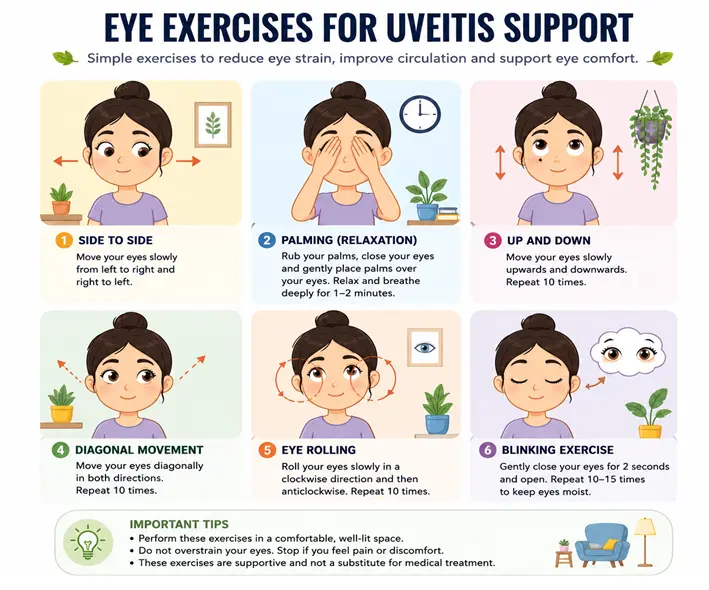
Eye Exercises & Yoga for Uveitis Support
|
Exercise |
Instructions |
|
Palming Exercise |
For one to two minutes, softly place both palms over closed eyes and rub them together without applying any pressure. |
|
Blinking Exercise |
To lessen dryness, blink regularly and slowly for 20 to 30 seconds. |
|
Eye Rotation Exercise |
Move your eyes slowly in a circle five to ten times, both clockwise and counterclockwise. |
|
Trataka Yoga |
For a few seconds, maintain a steady gaze on a stationary object or candle flame, then let your eyes relax. |
References
• Maghsoudlou, P., Epps, S. J., Guly, C. M., & Dick, A. D. (2025). Uveitis in adults: a review. Jama, 334(5), 419-434.
• Xie, J. S., Ocampo, V., & Kaplan, A. J. (2025). Anterior uveitis for the comprehensive ophthalmologist. Canadian Journal of Ophthalmology, 60(2), 69-78.
• Gozzi, F., Gentile, P., De Simone, L., Bolletta, E., Alessandrello, F., Belloni, L., ... & Cimino, L. (2022). Viral anterior uveitis. Saudi Journal of Ophthalmology, 36(4), 356-364.
• NIH- National Library of Medicine: https://sl1nk.com/uk87s79